A Simple Plate Guide for Heart-Healthy Eating
Forget complicated charts. A five-part plate template makes heart-healthy eating simple, flexible and genuinely enjoyable.
Read articleYou don't need a perfect routine to get healthier. Here's how tiny, repeatable habits beat big bursts of motivation every time.

You don't need a perfect routine to get healthier. Here's how tiny, repeatable habits quietly beat big bursts of motivation — every single time.
A ten-minute walk after dinner. A glass of water before coffee. Stairs instead of the lift when you remember, not every single time. None of these looks dramatic on its own, and that is exactly why they work.
Most people who come to our clinic aren't short of information. They're short of a routine that survives a busy week. So instead of asking "what's the best programme?", it's far more useful to ask: what is the smallest change I can repeat even on my worst day?
An intense start feels productive, and for a short while it is. But intensity depends on motivation, and motivation is the least reliable thing about being human. Small habits, on the other hand, depend on context — the same cues, the same time of day, the same place. Once a behaviour is tied to a cue, it stops requiring willpower.
A gentle walk after eating supports blood sugar control, digestion and mood. It doesn't need kit, booking or a change of clothes. Start with five minutes and let it grow on its own.
Waking at a broadly consistent time steadies your body clock, which improves energy, appetite and sleep quality. Keep it to a window rather than an exact minute — consistency matters more than precision.
Rather than counting anything, simply ask whether each meal contains a source of protein and something green or colourful. It's a one-second check that quietly improves most meals.
Screens off, lights lower, something calm and analogue for a few minutes before bed. Sleep is when much of your recovery, memory and repair happens, and it responds well to a predictable routine.
Pick one habit and shrink it until it takes under two minutes: one flight of stairs, one glass of water, two minutes of stretching. Do the small version daily for a fortnight. If you want to do more, do more — but never let the small version feel optional.
Small habits are powerful, but they aren't a substitute for assessment. Speak to a clinician if you notice unexplained weight change, breathlessness, chest discomfort, persistent pain, a sleep problem that won't shift, low mood that's interfering with daily life, or any symptom that's new for you and won't settle.
If you'd like help turning these ideas into a plan that fits your body and your week, our wellness and nutrition team can work through it with you, one small habit at a time.
This article is general health information, not personal medical advice. If something worries you, or if you have a long-term condition, please speak to a clinician who knows your history. You can contact our team any time.
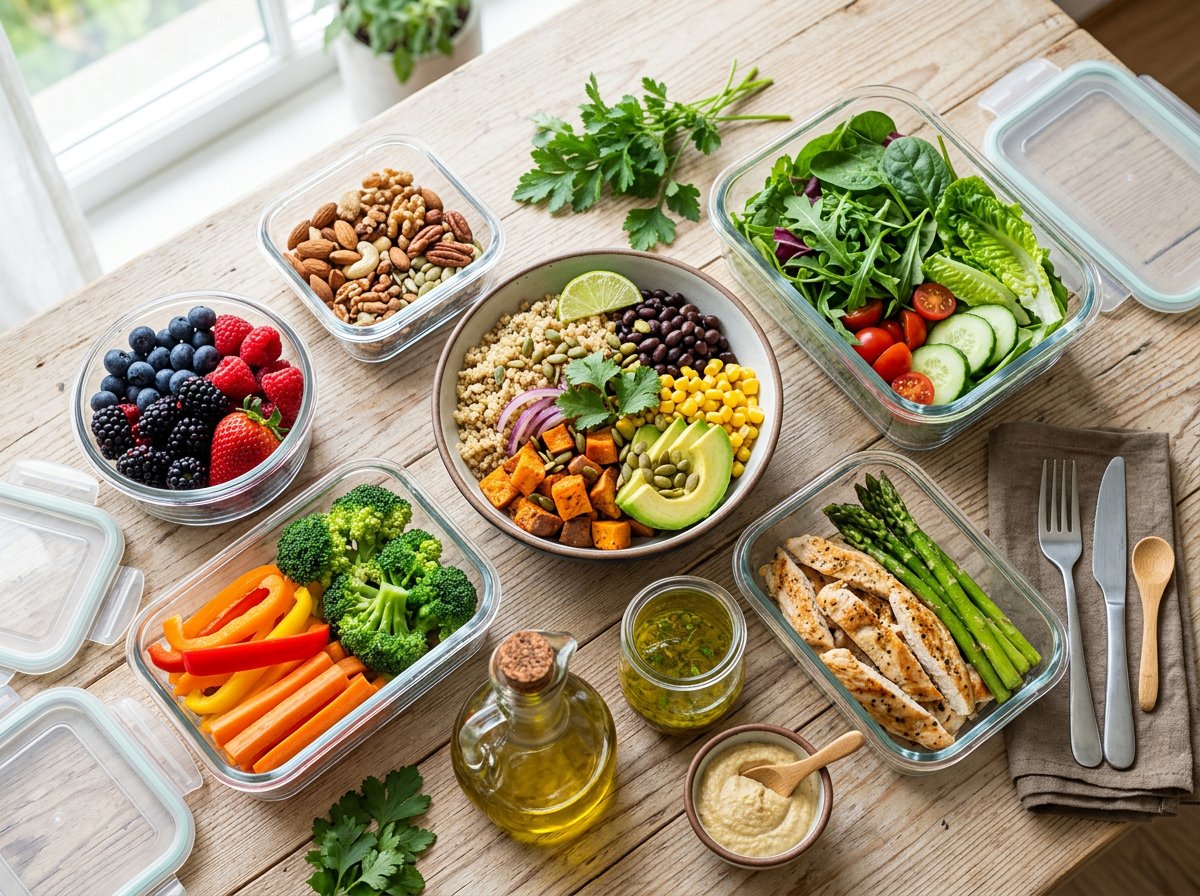
Forget complicated charts. A five-part plate template makes heart-healthy eating simple, flexible and genuinely enjoyable.
Read article
Sleep touches everything — mood, weight, immunity and focus. Here's how to protect it without turning your night into another task.
Read article