Small Daily Habits That Quietly Transform Your Health
You don't need a perfect routine to get healthier. Here's how tiny, repeatable habits beat big bursts of motivation every time.
Read articleForget complicated charts. A five-part plate template makes heart-healthy eating simple, flexible and genuinely enjoyable.
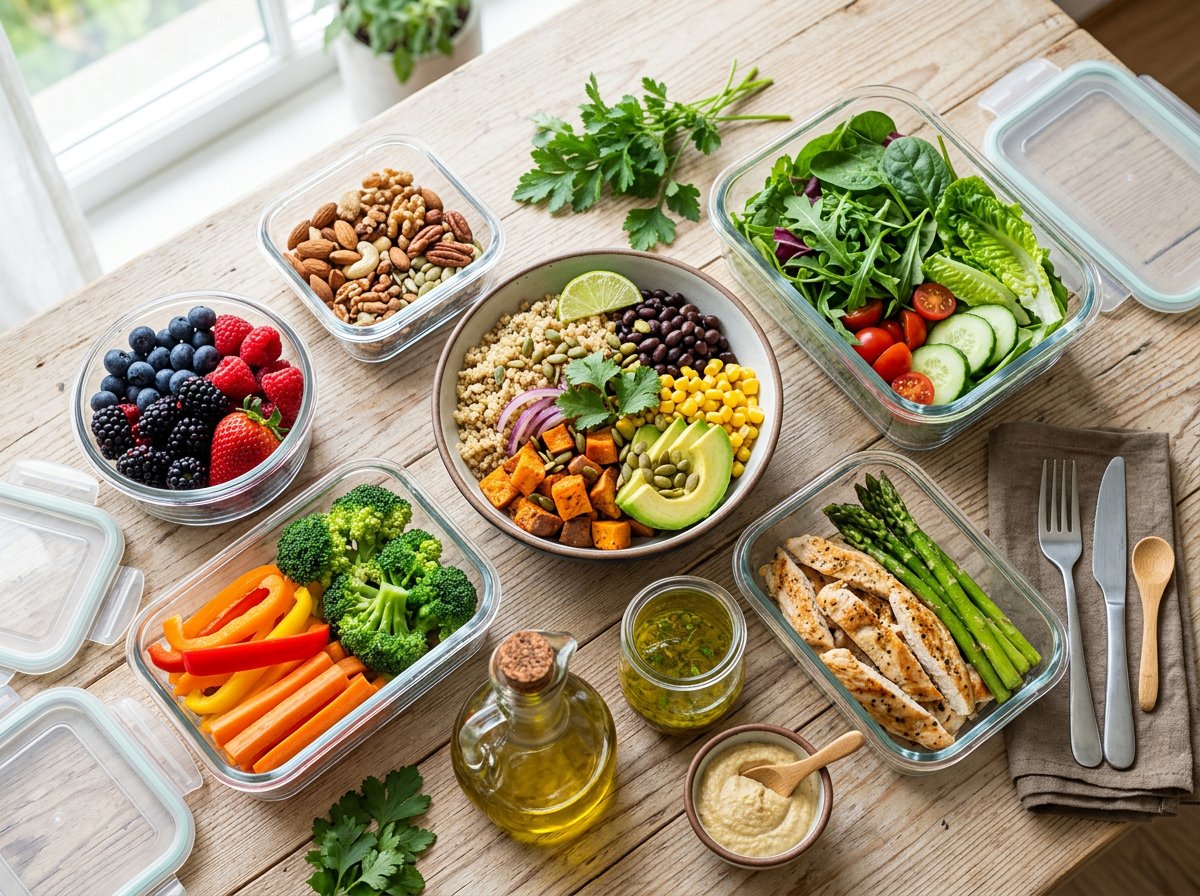
Forget complicated charts. A five-part plate template makes heart-healthy eating simple, flexible and genuinely enjoyable — at home, at work and when you're eating out.
Most people don't need another restrictive diet. They need a way to build a meal that supports their heart without weighing, measuring or giving up the foods they love. That's what a plate template does: it gives you a shape for a meal, not a list of rules.
Imagine your plate divided into five parts. You don't need special containers — just a rough visual guide.
Found in fatty meat, butter, cream, cheese, pastry and coconut oil. You don't need to eliminate it, but swapping some of it for unsaturated fats — olive oil, nuts, oily fish — is one of the most reliable changes you can make for cholesterol levels.
Most of the salt we eat is already in the food when we buy it, especially bread, sauces, cured meats, stock cubes and ready meals. Cooking more from scratch, tasting before you add salt at the table, and using herbs, citrus, vinegar and spices for flavour will do more than removing the salt shaker ever will.
Fibre helps lower cholesterol, steadies blood sugar and feeds your gut microbiome. Aim to add rather than subtract: beans into a soup, oats at breakfast, lentils in a sauce, fruit as a default dessert.
Butter on toast → olive oil or avocado. Cream in a sauce → yoghurt or blended beans. White rice → brown rice or barley half-and-half. Crisps → a handful of unsalted nuts. Sugary drink → sparkling water with citrus. Each swap is small; together they change a whole week of eating.
Look for grilled, baked, steamed or braised rather than fried. Ask for sauces on the side. Add a side of vegetables or a salad. Share dessert if you want it. And remember that one meal is not a pattern — what you do most of the time is what moves the needle.
Individual advice matters here. If you take medication for blood pressure, cholesterol or heart rhythm, or you've been advised to watch a particular nutrient, please talk to your clinician before making big changes. Our cardio health service combines screening with practical food and activity planning, so the advice fits your results rather than a generic chart.
This article is general health information, not personal medical advice. If something worries you, or if you have a long-term condition, please speak to a clinician who knows your history. You can contact our team any time.

You don't need a perfect routine to get healthier. Here's how tiny, repeatable habits beat big bursts of motivation every time.
Read article
Sleep touches everything — mood, weight, immunity and focus. Here's how to protect it without turning your night into another task.
Read article